Walk any Parker street a year after a big hail season and you will see the same word on yard signs and invoices: Class 4. It has become the default upgrade when an insurer is already paying for a new roof. The label is real and useful, but it is narrower than the sales pitch makes it sound.
What "Class 4" Actually Means
Class 4 is the top rating under UL 2218, a laboratory test for roof coverings. Technicians drop steel balls of increasing size onto a sample from set heights, hitting the same spot twice. Then they look at the back of the sample for cracks or tears. If the 2-inch ball does not break it, the product is rated Class 4.
A second test, FM 4473 from FM Approvals, uses frozen ice balls fired at the material and is common for rigid products such as tile and some metal. Some manufacturers list both. The Insurance Institute for Business and Home Safety (IBHS) also publishes its own hail performance ratings for some shingle lines, based on lab hail made to behave more like the real thing. When you compare products, note which test a claim is based on.
The Four Classes at a Glance
Scroll through the scale. The ball diameter is the whole difference between classes.
- 01
Class 1.
Survives a 1.25 inch steel ball. The baseline many standard shingles reach.
- 02
Class 2.
Survives a 1.5 inch ball. Uncommon as a marketing claim.
- 03
Class 3.
Survives a 1.75 inch ball. Some thicker architectural lines land here.
- 04
Class 4.
Survives a 2 inch ball with no crack on the back. The top of the UL 2218 scale.
What the Label Does Not Promise
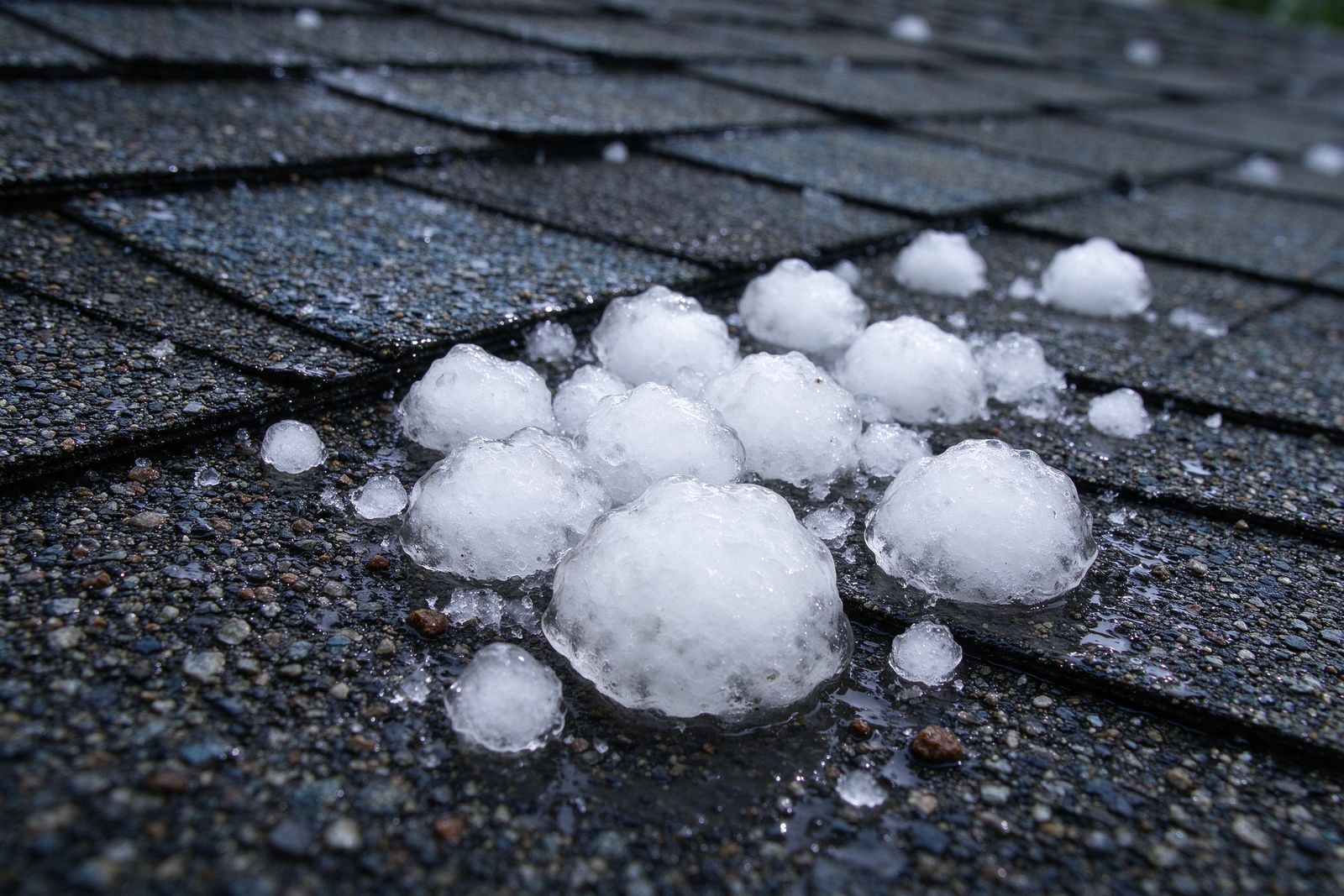
The test is a fresh sample in a lab, at room temperature, hit by smooth steel. Real Front Range hail is irregular, sometimes larger than two inches, and arrives with wind. And your roof will not be new forever. After ten summers of high-altitude sun, any asphalt product is less flexible than the day it went on.
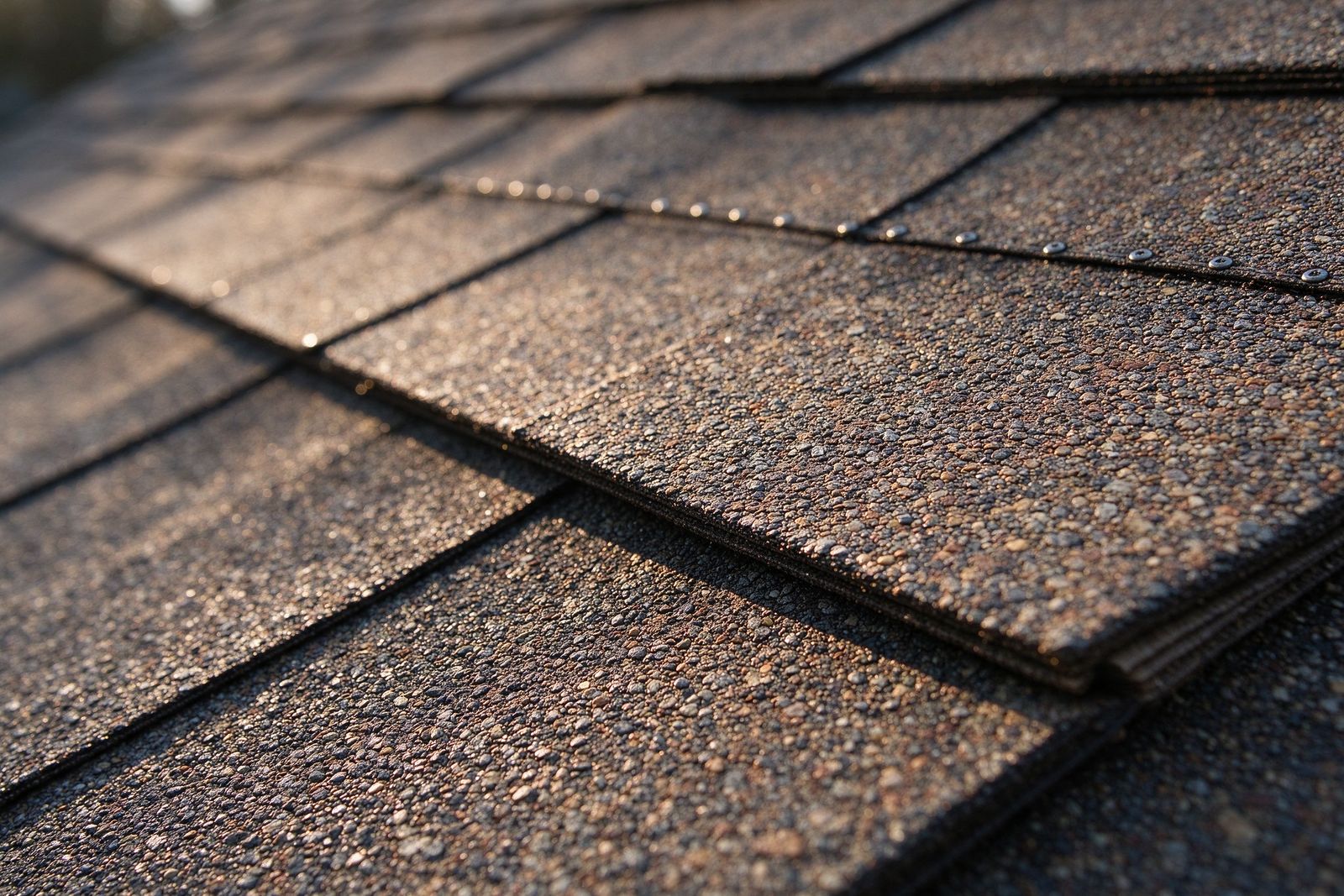
Many Class 4 asphalt shingles get their toughness from SBS-modified (rubberized) asphalt, which bends instead of fracturing. Others rely on a reinforced mat or a thicker build. Both approaches can earn the same rating, and they can age differently. Ask the roofer which approach the product uses and how it has held up on local roofs they have personally inspected.
Standard Architectural vs Impact-Rated Shingles
| Factor | Standard architectural | Class 4 impact-rated |
|---|---|---|
| Impact rating | Often unrated or Class 1 to 3 | UL 2218 Class 4 |
| How it resists hits | Thickness and laminated layers | Modified asphalt, reinforced mat, or both |
| Insurance credit | Usually none | Offered by some insurers; ask yours |
| Cold-weather install | Standard handling | Some lines are stiffer in cold; follow the manufacturer's temperature limits |
| Proof for the file | Invoice | Invoice naming the exact line, plus the wrapper label |
When the Upgrade Makes Sense
For a house you plan to keep, in a part of the south metro that sees regular hail, the case is usually strong: fewer cracked shingles after moderate storms, possible premium credits, and a selling point if you move. For a house you will sell within a year or two, the math is closer, because the next owner gets most of the benefit.
Installation and Paperwork That Protect You
An impact rating is only as good as the install. Manufacturers publish installation instructions for each line: nail count and placement, starter strips, underlayment, and the temperature range for installing. Ask the roofer to follow them exactly and to register the warranty if the manufacturer offers one.
- Ask that the invoice name the manufacturer and the exact product line, not "Class 4 shingle."
- Photograph a wrapper showing the UL 2218 Class 4 statement.
- Keep a bundle of spare shingles for future repairs.
- Send your insurer the proof they ask for, and confirm the credit appears on the next renewal.
If you are replacing because of a storm, read the hail damage claims guide before you sign anything, and the repair vs replacement guide if the damage is borderline.
Questions Parker Homeowners Ask
Are Class 4 shingles hail-proof?
No. The rating means a sample shingle survived a 2-inch steel ball test without cracking when new. Larger or harder hail, aging and repeated storms can still damage it. Think of it as better odds, not immunity.
Do Class 4 shingles lower insurance premiums in Colorado?
Some insurers offer a credit for impact-rated roofs and some do not, and the amounts and rules change. Ask your agent before you choose, and ask what proof they need, such as the product label or an invoice naming the exact shingle line.
Can I tell a Class 4 shingle by looking at it?
Not reliably. Many impact-rated lines look like standard architectural shingles. The proof is the product name on the invoice and the wrapper label stating UL 2218 Class 4. Keep both.
Are impact-rated shingles harder to repair later?
Some modified-asphalt shingles are stiffer to work with in cold weather and some lines are discontinued over time, which can make color matching hard. Ask the roofer to leave a bundle of spares in the garage.