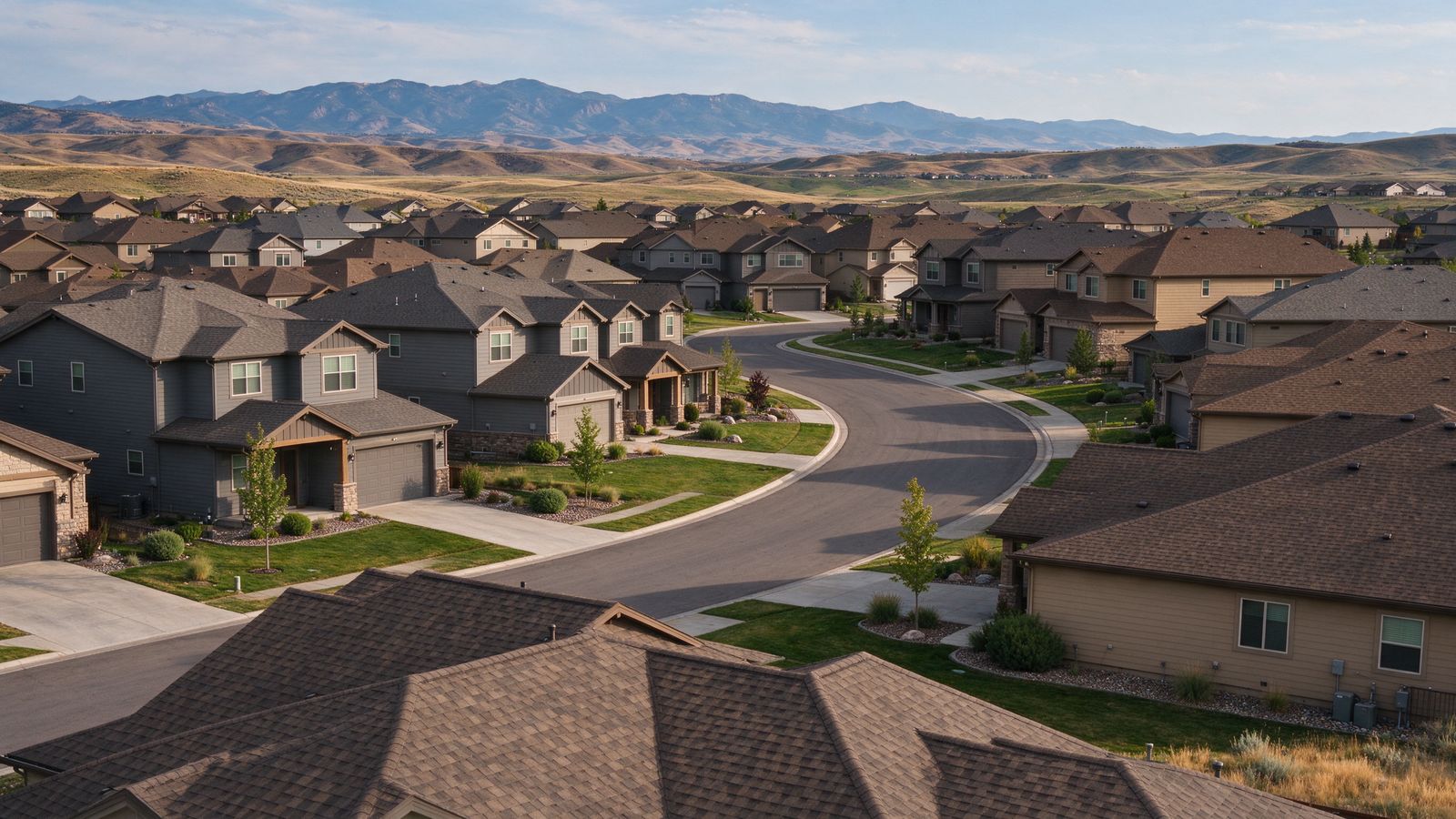
Roofing brochures are written for the whole country. A roof in Parker lives a narrower, harsher life: thin dry air, strong sun, sudden hail in late spring and summer, wind off open land, and snow that melts and refreezes on sunny winter days. Judge every material against that, not against a showroom sample.
Judge Materials by Local Conditions
Four questions sort most choices quickly. How does it handle a direct hail hit, and is the damage functional or cosmetic? How well does it stay attached in high wind? How fast does sun break it down? And how does snow behave on it, especially above doors and walkways? Weight and HOA rules come next, because they can rule out a material before price even enters the room.
Compare Materials by What Matters to You
Pick a priority to highlight the stronger performers for it. This is a general guide based on typical product behavior; individual product lines vary, so check the specific rating sheets.
| Material | Hail | Wind | Sun and UV | Weight | Watch for |
|---|---|---|---|---|---|
| Architectural asphalt | Varies; Class 4 lines available | Good when sealed and nailed to spec | Granules wear over time | Light | Bruising you cannot see from the ground |
| Stone-coated steel | Often Class 4; coating hides small dents | Interlocking panels resist uplift | Steel core does not dry out | Light | Fewer installers; walk only where the maker allows |
| Standing seam metal | Resists punctures; can dent, heavier gauge helps | Strong with correct clips | Quality paint systems hold color | Light | Snow sliding off in sheets; dents may be cosmetic under some policies |
| Concrete tile | Tiles can crack | Good when fastened to current code | Tile itself holds up to sun | Heavy | Broken tiles from foot traffic; underlayment ages first |
| Synthetic slate or shake | Some lines rated Class 4 | Varies by line | Varies by formulation | Light | Shorter local track record; check the specific product |
Four Materials, Up Close
Hover or tap a material on the sheet to read the short version.
Material sheet
Pick a Material Below
Each one solves a different Front Range problem. None of them solves all four forces at once.
01 / Asphalt
Architectural Shingles
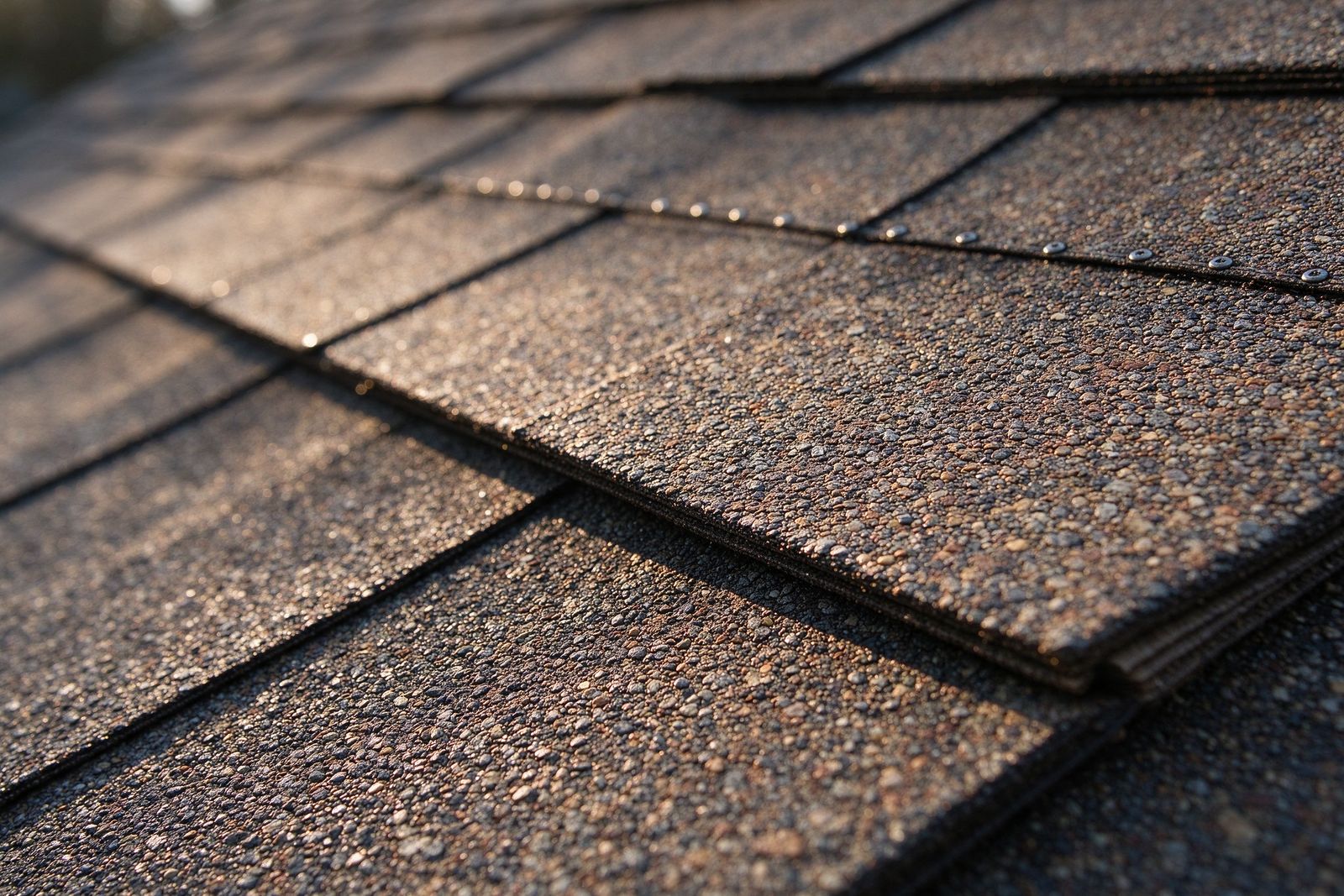
Laminated layers, easy repairs, wide color choice and the most installers. The trade-off is sun and hail: granules wear off, and bruised shingles fail years after the storm. A Class 4 line narrows the hail gap.
02 / Stone-coated steel
Steel Under Stone
Steel panels with a bonded granule coat, shaped like shake, tile or shingle. Light, usually impact-rated, and the textured coat hides small dents. Ask whether the installer has done this system before; it is not installed like shingles.
03 / Standing seam
Standing Seam Metal
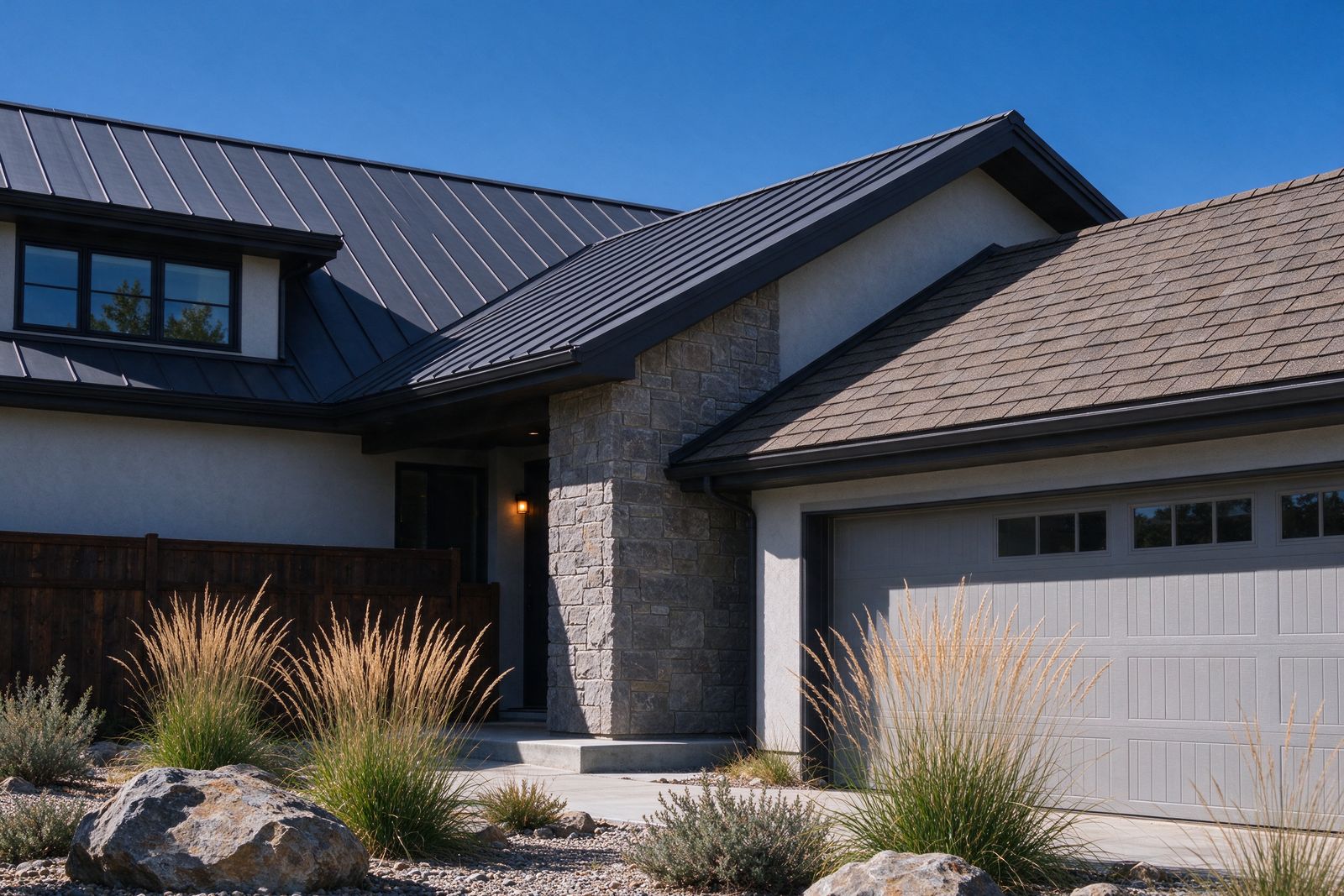
Long panels with raised seams and hidden fasteners. Sheds snow and handles sun well. Hail can leave dents, so ask about panel thickness and how your policy treats cosmetic damage. Snow guards over doors are worth discussing.
04 / Concrete tile
Concrete Tile
Heavy, durable tile that shrugs off sun. Large hail and careless foot traffic crack it, and the underlayment beneath usually needs attention long before the tile does. Switching to tile needs a structural check.
Wood shake still appears on older homes. It splits under hail and raises wildfire questions, and some HOAs and local codes limit it, so most owners replacing a shake roof move to a different material or a synthetic shake look-alike. Ask your HOA and building department before committing.
Switching From One Material to Another
Staying with the same material is the simplest path. Switching triggers three checks. The first is structure: going heavier, especially to tile, means someone should confirm the framing can carry it. The second is the HOA: many covenants list approved materials and colors, and approval takes time. The third is the permit: the building department may want details on the new system.
The messy middle: the insurance check pays for shingles, you want metal
This happens a lot after hail. The insurer's estimate usually prices a roof like the one you had. If you want something different, the difference is generally yours to pay. Ask the roofer for two written numbers (like-for-like and upgrade) so the insurer's file and your upgrade stay clearly separate. That separation also keeps you clear of anything that looks like folding upgrade costs into a claim.
What Goes Under the Roof Matters as Much
The visible material gets the attention, but most leaks start in the layers beneath and around it. Every bid should spell these out:
- Ice and water barrier along the eaves and in valleys, where ice dams and runoff concentrate.
- Underlayment type across the rest of the deck.
- Flashing at walls, chimneys and skylights: new or reused.
- Drip edge at eaves and rakes.
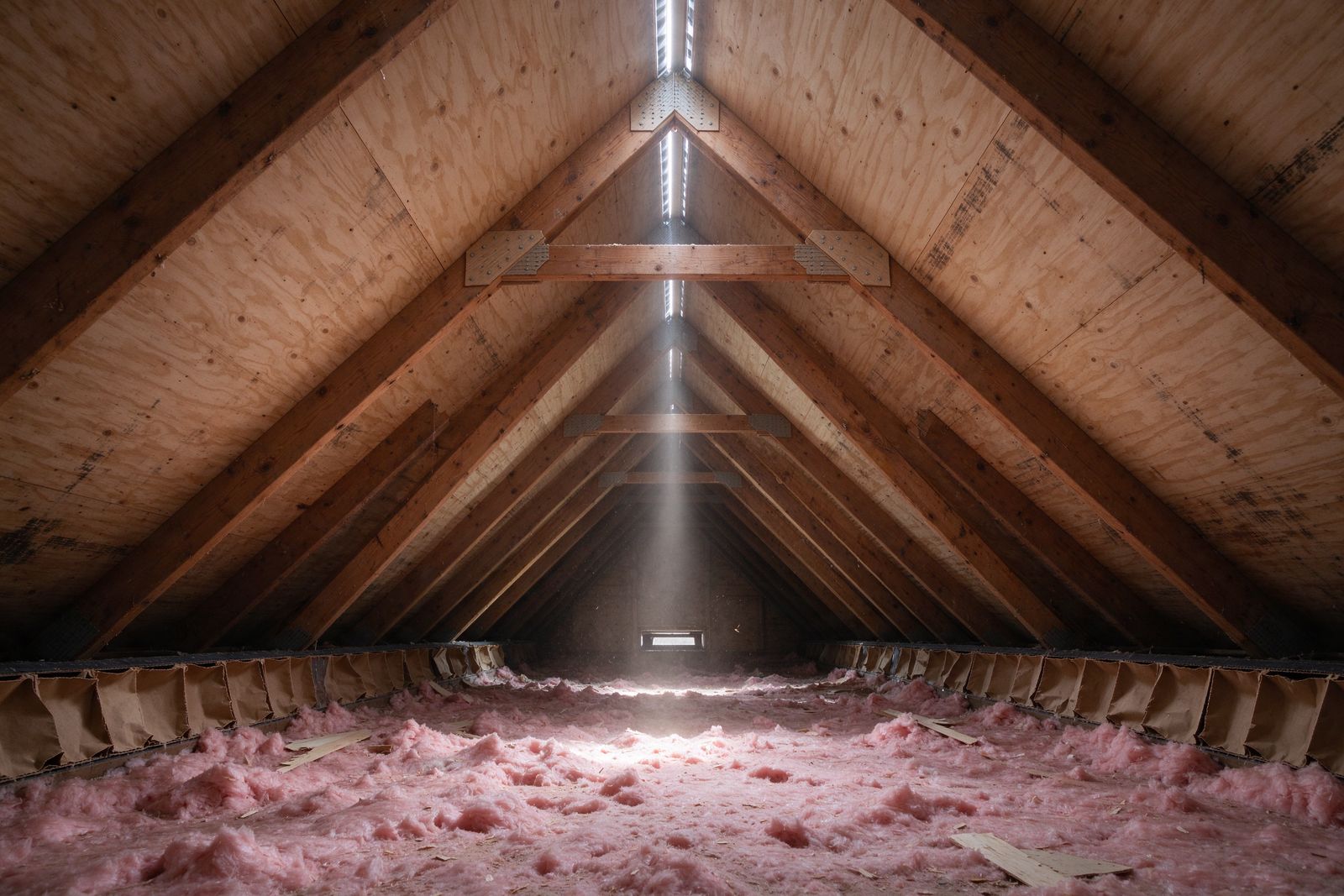
- Ventilation: intake at the eaves, exhaust near the ridge, balanced. The ice dam and ventilation guide explains why.
Questions Parker Homeowners Ask
What is the most common roof in Parker?
Architectural asphalt shingles cover most homes built in the south metro over the last few decades, with concrete tile and metal mixed in. Common does not mean best for every house; it means parts, colors and installers are easy to find.
Is a metal roof louder in hail?
A metal roof over solid decking with underlayment and an insulated attic is usually not much louder inside than shingles. Metal over open framing, like a porch, is a different story.
Can I put tile on a house that had shingles?
Possibly, but concrete tile is far heavier than asphalt. A structural check of the framing is the first step, and your HOA and building department will both have a say.
Do metal roofs attract lightning?
No. Metal does not make a strike more likely. If a strike happens, metal is not combustible, which is one reason it is used in wildfire-prone areas.