Roofers see two expensive mistakes. One is the homeowner who patches the same roof every spring for five years, paying for a replacement in installments without getting one. The other is a full tear-off sold for a problem a few shingles and a flashing repair would have solved.
Repair or Replace: Six-Question Tool
Answer what you know. It is a rough guide, not an inspection, and nothing is sent anywhere.
Where you land
Answer the questions
Pick an answer on each line. The bar moves toward repair or replacement as you go.
0 of 6 answeredWhen a Repair Is Usually Enough
Repairs make sense when the roof has plenty of life left and the problem has a clear, local cause. The most common ones in the south metro:
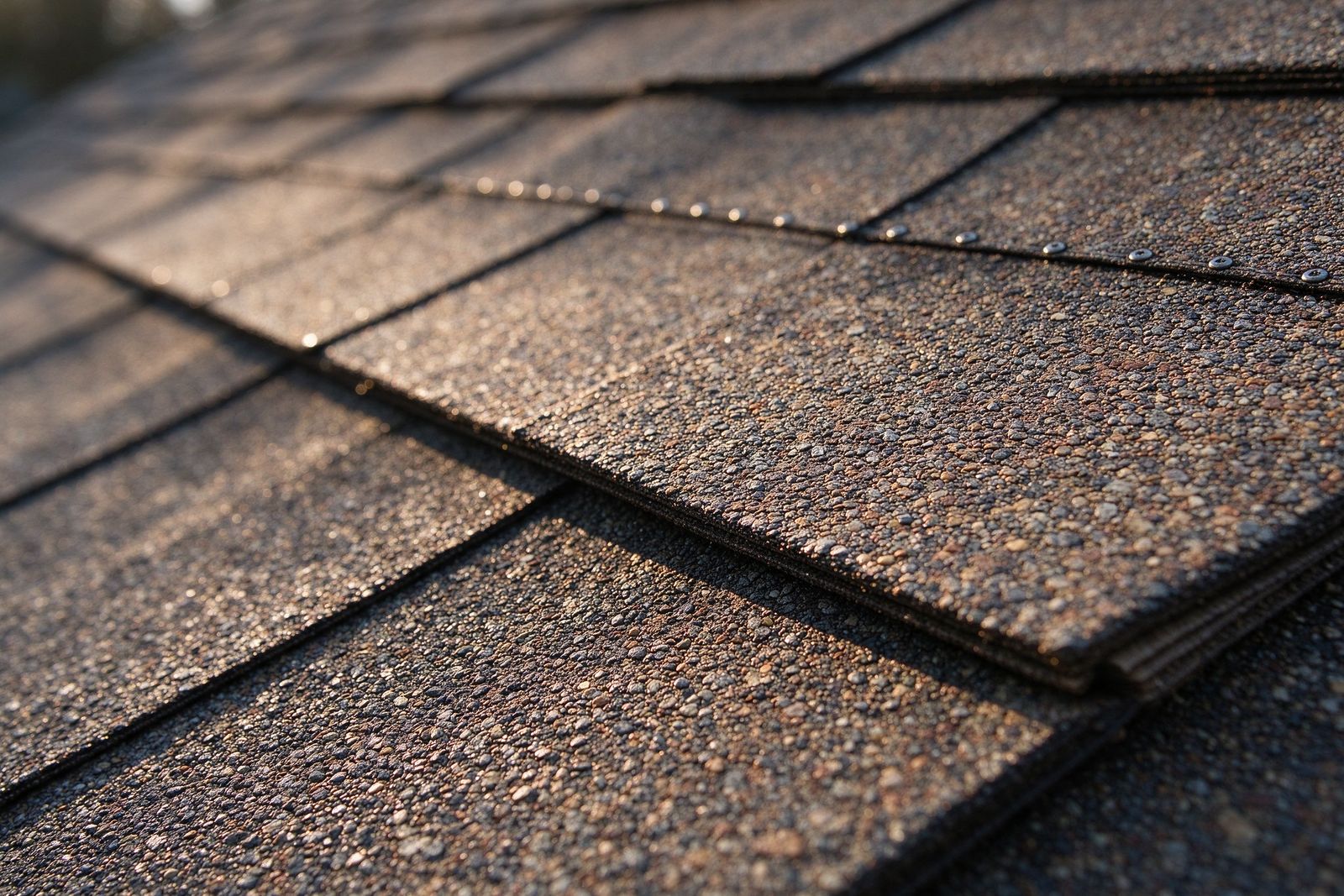
- A handful of shingles creased or blown off in a wind event, on an otherwise healthy roof.
- Failed sealant or loose flashing at a chimney, skylight, wall or plumbing vent.
- A cracked pipe boot (the rubber collar around plumbing vents), which UV dries out.
- A few broken tiles from foot traffic, on a tile roof with sound underlayment.
When Replacement Usually Wins
- 01
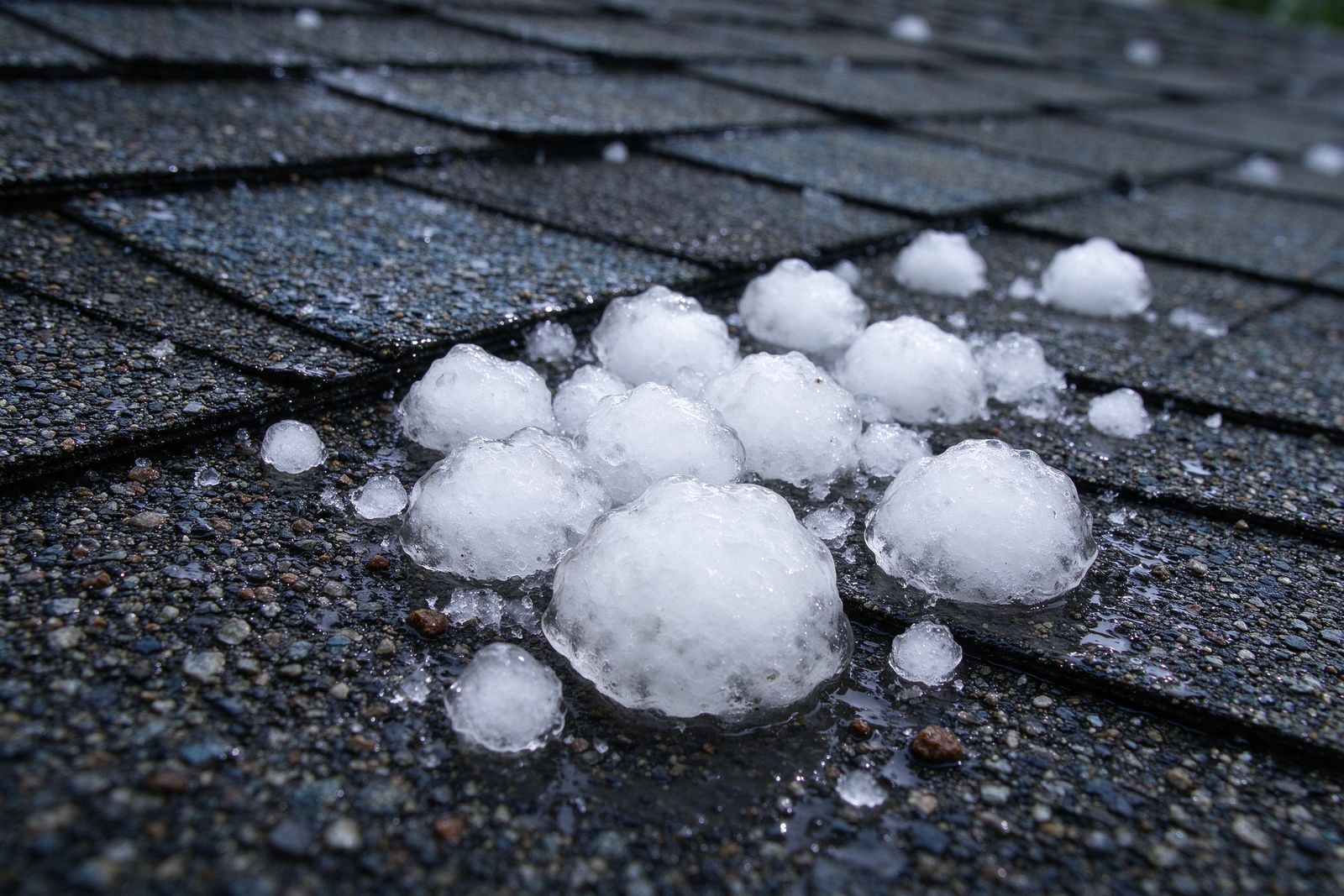
Hail bruising across slopes
Damage spread across the roof cannot be repaired shingle by shingle in any sensible way, and it is the most common reason Parker roofs come off early.
- 02
Widespread granule loss
Bald patches and gutters full of granules mean the asphalt is exposed to sun and will age quickly from here.
- 03
Soft or sagging decking
Long-term moisture has reached the wood. That calls for opening the roof, not covering it.
- 04
Repeat leaks in new places
When each fix uncovers the next problem, the system as a whole is near the end.
Why Not Just Lay New Shingles Over the Old?
A re-cover (new shingles over an existing layer) skips tear-off, which is why it gets pitched. The trade-offs are real: nobody sees the deck, flashing often gets reused, the extra weight stays on the framing, and bumps telegraph through. Building codes limit re-covers, including how many layers are allowed and, in some versions, re-covering in areas exposed to significant hail. Ask your town or county building department before anyone suggests it.
The messy middle: the "small" leak that was not
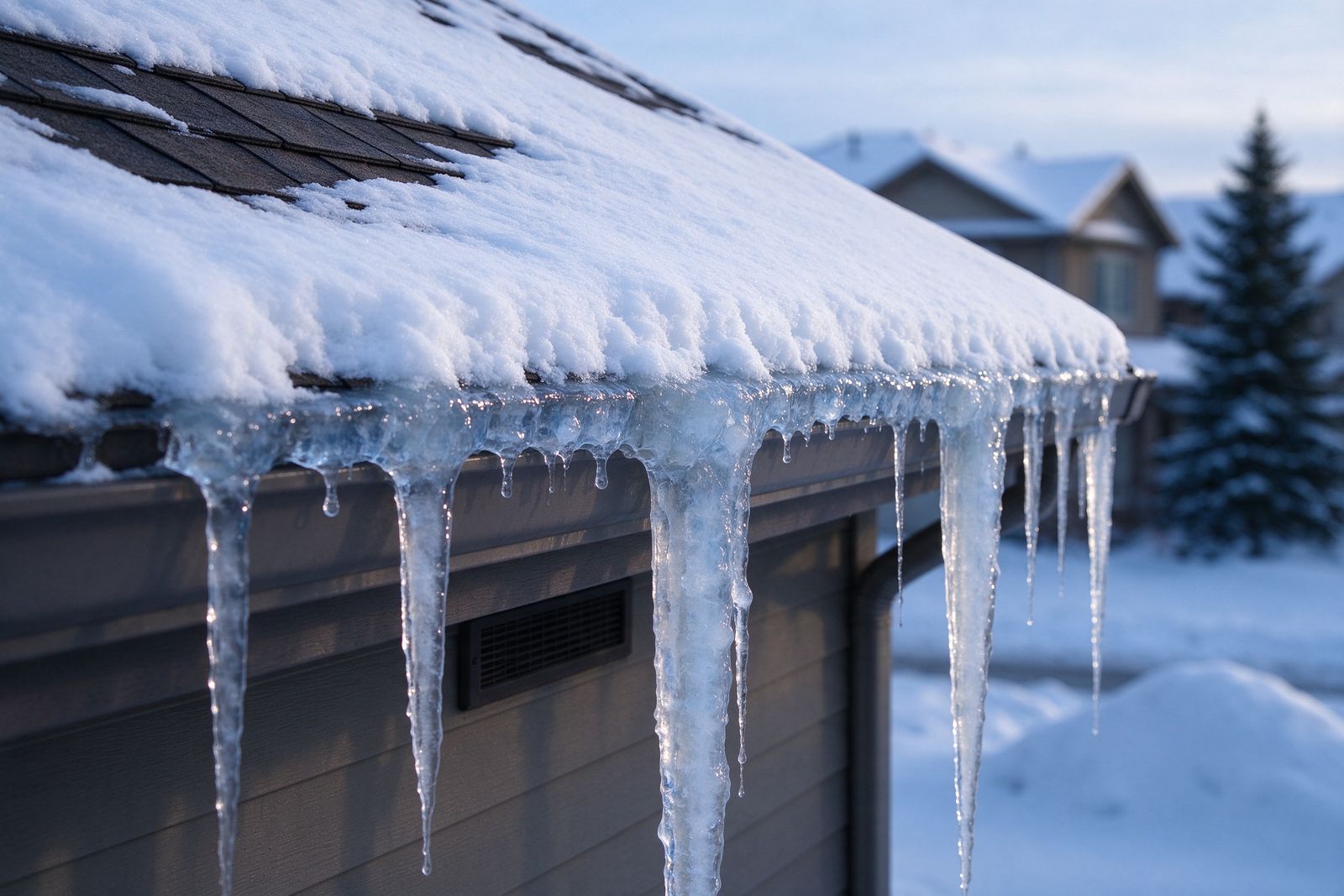
A stain near an outside wall gets patched at the shingle above it. Next spring it returns. The real cause turns out to be an ice dam from a warm attic, or water running behind step flashing from a slope above. The lesson is to trace water uphill and check the attic before deciding anything. The ice dam guide walks through that check.
What a Useful Roof Inspection Covers
The repair-or-replace call is only as good as the inspection behind it. A quick look from a ladder at the gutter line misses most of what matters. A useful inspection on a Parker house usually covers the roof surface on every slope, the attic, and the details where water gets in.
- Every slope, not just the front. Hail and sun damage are directional. West and south slopes often age faster; the slope facing a storm takes the most hits.
- Penetrations and transitions. Pipe boots, vents, chimneys, skylights and the line where a roof meets a wall are where most leaks start.
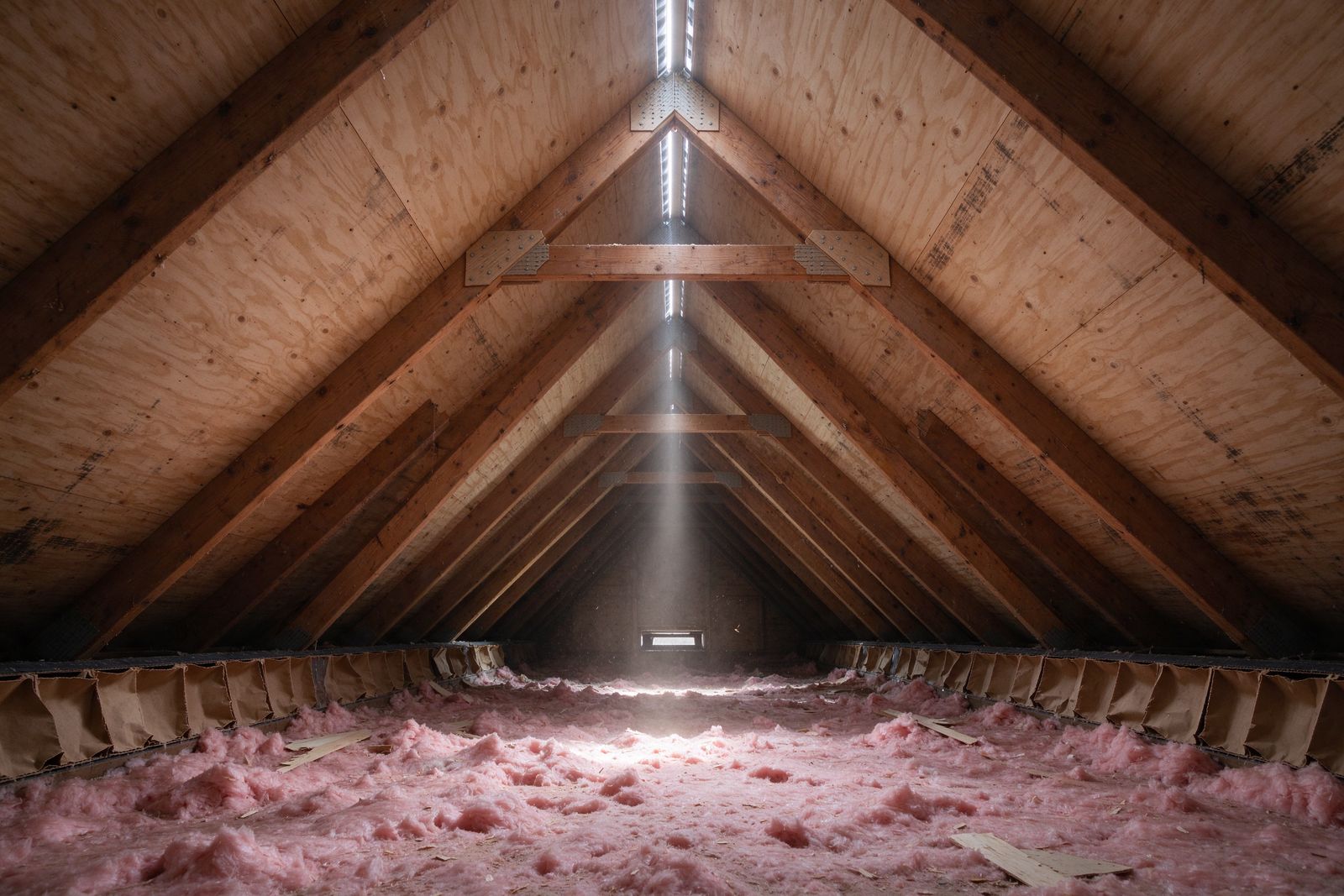
- The attic. Daylight, staining, frost, wet insulation and the feel of the deck tell you whether water or heat is the real problem.
- Gutters and downspouts. Granule buildup and dents are cheap evidence of wear and hail.
- Photos of each finding. Dated, labeled by location, and handed to you. You own that record whether or not you hire the person who took them.
Two roofers can look at the same roof and disagree, especially on borderline hail damage. When that happens, ask each one to show you the specific shingles they are basing the call on. The person who can point to evidence usually has the better answer.
Get Both Numbers in Writing
When it is genuinely close, ask a roofer to price both the repair and the replacement, with photos of what they found. Comparing those two documents side by side answers most of the question. If a storm caused the damage, read the hail claims guide before deciding, because the insurer's inspection may settle it. And if you go ahead with a replacement, the roofer hiring guide explains what a solid proposal looks like.
Questions Parker Homeowners Ask
How long does an asphalt roof last in Colorado?
Manufacturers publish expected lifespans, but strong sun at altitude and repeated hail usually shorten real-world life on the Front Range. Condition, not the calendar, should drive the decision. An inspection with photos tells you more than the install date.
Can I replace just one side of the roof?
Sometimes, especially when damage is limited to one slope. Matching color and profile can be hard on an older roof, and HOAs may object to a visible mismatch. Ask the roofer to show you the closest available match first.
Is a leak during an ice dam a reason to replace?
Not by itself. Ice dam leaks are often a heat-loss problem in the attic. Fix the cause, then judge the roof on its own condition.
Should I replace before selling?
It depends on condition and what buyers in your area expect. A recent inspection report lets you price the roof honestly either way. A real estate professional can speak to your local market.